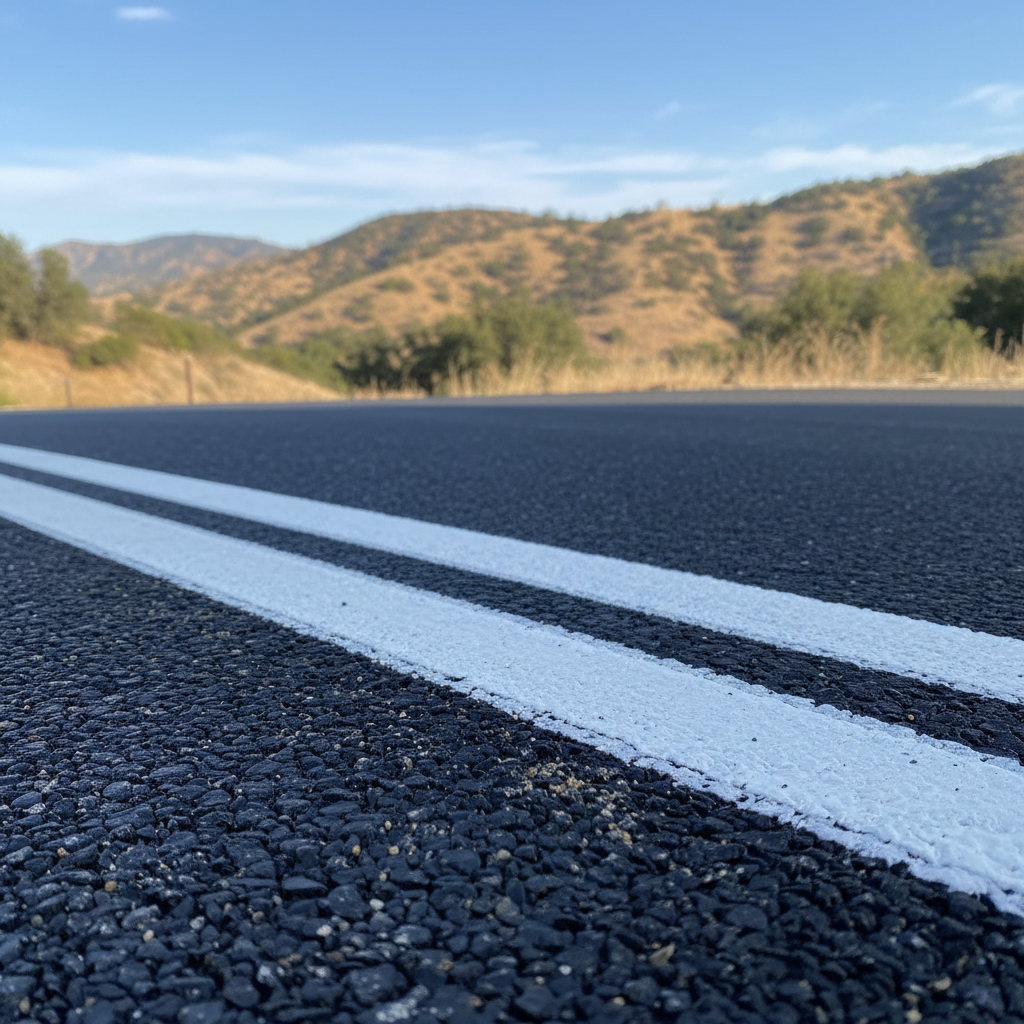
Thinking About Striping Your Own Asphalt?
So, you've got an asphalt driveway or maybe a small private parking area here in Trabuco Canyon, and those lines are looking a bit faded. Perhaps you're thinking, "Hey, I can just grab some paint and a roller, right?" Well, you *can*, but there's a good deal more to it than just slapping down some yellow. Let's chat about what you need to know before, during, and after you tackle asphalt striping, and when it's really best to just call a professional.
Before You Even Think About Paint
First things first, take a good look at your asphalt. Is it clean? I mean, really clean. You simply can't paint over dirt, leaves, or that stubborn oil stain that's been there since last summer. You'll need to sweep thoroughly, maybe even pressure wash. If you do pressure wash, make absolutely sure the surface is completely dry before you even think about painting. Water trapped under the paint will mess up your lines faster than you can say "curb appeal."
Next, consider the condition of the asphalt itself. If your driveway is full of cracks, potholes, or has severe alligatoring, striping it won't hide those issues. In fact, fresh, crisp lines on a beat-up surface can sometimes make the damage stand out even more. If your asphalt needs repair, you should deal with that first. Patching and sealing will give you a much better canvas for your striping project. You wouldn't paint a wall that's crumbling, would you?
Then there's the layout. Are you just refreshing existing lines, or are you creating new ones? If you're only repainting, you'll still want to measure and mark to ensure your new lines are straight and consistent. For new layouts, you'll definitely need a plan. Think about how many cars you want to park, how much space they need, and how traffic will flow. You'll need chalk lines, measuring tape, and maybe even some string to get your guides down. Don't just eyeball it; you'll regret it later when your parking spaces look like they were drawn by a toddler.
DIY Striping: What You'll Need and How to Do It
Alright, you've cleaned, repaired, and planned. Now for the actual painting. Here's what you'll likely need:
- Traffic Paint: This isn't just regular house paint, no sir. You need paint specifically designed for asphalt, usually acrylic or chlorinated rubber-based. It's durable, fast-drying, and formulated to withstand vehicle traffic and our local Trabuco Canyon weather, which can be pretty harsh on surfaces with those hot summers and occasional heavy rains.
- A Striping Machine or Applicator: For anything more than a couple of short lines, you'll want a striping machine. These are wheeled devices that hold the paint can and have a spray nozzle, making it much easier to get straight, consistent lines. You can rent these from equipment rental places. If you're just doing a small, simple line, a roller and a steady hand might work, but it's tough to keep it perfect, trust me.
- Stencils: If you need arrows, handicap symbols, or numbers, you'll need stencils. Make sure they're good quality and lay flat on the surface.
- Safety Gear: Gloves, safety glasses, and maybe a respirator if you're working in an enclosed area or with certain types of paint.
When you're actually painting, take your time. Follow your chalk lines. Don't try to go too fast, or you'll end up with wavy, uneven lines. Apply the paint in thin, even coats. Two thin coats are always better than one thick, gloopy one that takes forever to dry and might peel later. Make sure the first coat is dry before applying the second.
After the Paint Dries: Maintenance and When to Call a Pro
Once your lines are dry, try to keep traffic off them for at least 24-48 hours, or whatever the paint manufacturer recommends. This gives the paint time to cure properly and bond with the asphalt. After that, it's mostly about keeping your asphalt clean. Regular sweeping can help prevent dirt and debris from abrading the paint.
So, when should you just skip the DIY and call someone like us at Premium Asphalt Inc? If you've got a large parking lot, a complex layout, or need specific regulatory compliance (like ADA parking spaces), it's always best to bring in the pros. We've got the industrial-grade equipment, specialized paints, and the experience to lay down perfect, durable lines efficiently. We can also advise on the best layout for traffic flow and safety, which is something homeowners often overlook.
DIY striping can be a rewarding project for a small, simple area. But for anything significant, or if you want professional results that last, don't hesitate to reach out. We've seen it all, from perfect DIY jobs to projects that ended up looking like abstract art. Sometimes, paying for expertise saves you time, frustration, and money in the long run.