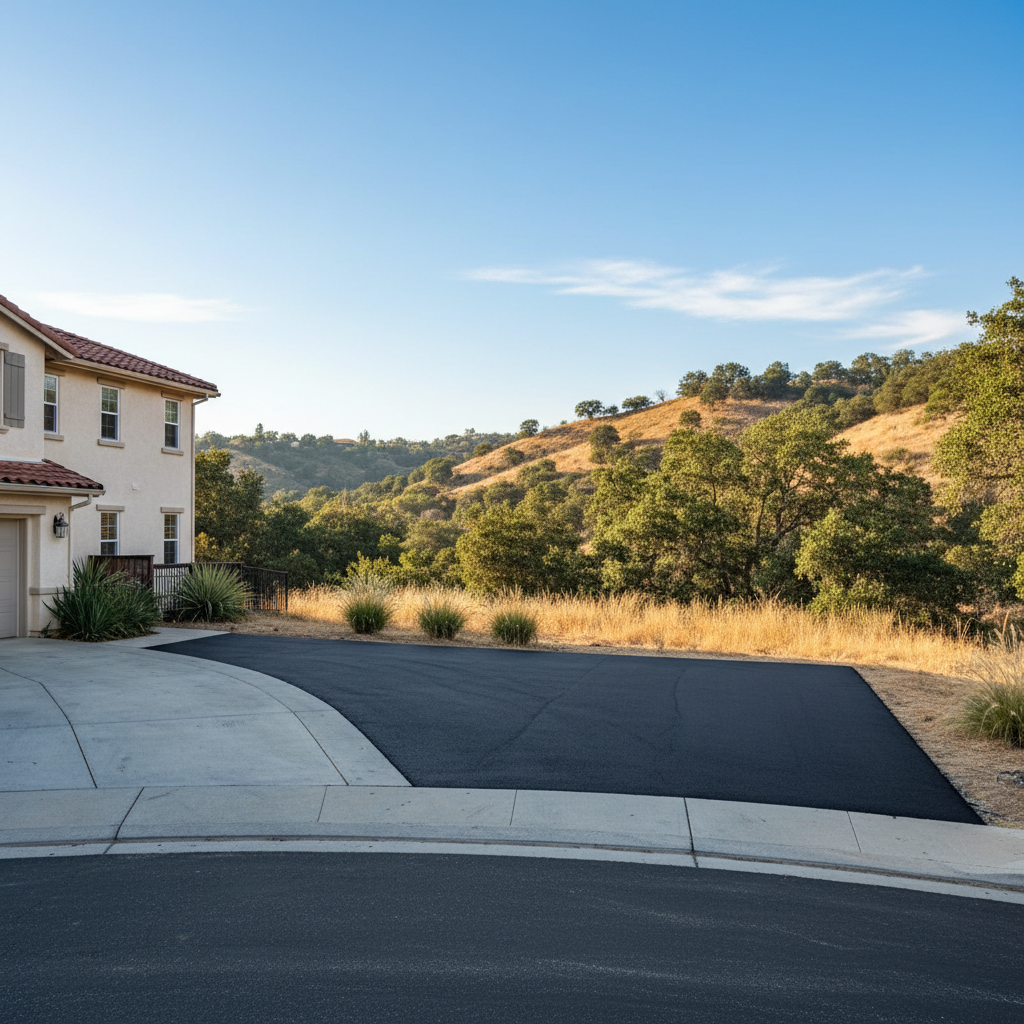
So, you've had some asphalt patching done, maybe on your driveway or a commercial lot right here in Trabuco Canyon. That's a smart move, fixing those cracks and potholes before they get totally out of hand. But getting the patch done? That's really only half the battle. If you want that repair to actually last, you've got to give it a little attention. Otherwise, you're just throwing good money after bad, and honestly, who wants that?
Making Your Asphalt Patch Last Longer
The biggest thing you can do to make a patch stick around is protect it from the weather and all that heavy use. Think of it like a fresh cut; you want to keep it clean and let it heal right. For asphalt, that means a few key things:
- Keep it Clean: Dirt, gravel, and other bits can get ground into the patch, especially when cars are turning or braking. Sweep it off regularly. Leaves and other organic stuff? They can hold moisture, and that's just bad news.
- Control Drainage: Water is asphalt's worst enemy, no kidding. Make sure water isn't pooling on or around your patch. If you've got a low spot where water collects, that patch is going to fail faster than you can even say 'pothole.' Sometimes, a simple French drain or just a small grade adjustment can make a huge difference. Here in Trabuco Canyon, with our occasional heavy rains, proper drainage isn't just important, it's absolutely critical.
- Limit Heavy Loads: For the first few days, maybe even a week (it depends on the patch type and the weather), try to keep heavy vehicles off it. Once it's cured, try to avoid parking those big RVs, boats, or construction equipment directly on a patched area for long stretches if you can help it. All that concentrated weight really stresses the asphalt.
- Sealcoat It (Eventually): A good sealcoat acts like sunscreen and a waterproof barrier for your whole asphalt surface, patches included. Once your patch has had time to fully cure — usually 6-12 months — sealcoating the entire area will help blend the patch in and protect it from UV rays and water getting in.
Regular Upkeep for Patched Areas
Beyond those first steps, ongoing maintenance is pretty simple. It's mostly about keeping an eye on things and fixing small issues before they blow up into big ones.
- Sweep and Clear Debris: Yeah, I mentioned this already, but it's worth saying again. A clean surface is a happy surface.
- Check for New Cracks: Even a really well-done patch can get small hairline cracks over time, especially at the edges where it meets the old asphalt. These are super easy to fix with crack filler if you catch them early. Don't wait until they're wide enough to stick your pinky in, okay?
- Watch for Weeds: Weeds and grass can push right through cracks, and their roots expand, causing even more damage. Pull them out as soon as you spot them.
- Monitor Water Flow: After a rain, go out and see where the water is actually going. Is it running off properly? Or is it just sitting in puddles? Adjust landscaping or think about some minor grading if you see pooling.
Signs Your Patch Needs Help
You don't need to be an asphalt expert to spot trouble. Just pay attention to these red flags:
- New Cracks Forming: If you start seeing new cracks popping up within the patched area itself, or along the edges where the patch meets the old pavement, that's a sign of stress or movement.
- Sinking or Rutting: Is the patch starting to sink lower than the surrounding pavement? Or are you seeing tire ruts forming? This means the base material underneath might be failing or wasn't compacted enough.
- Raveling or Loose Aggregate: If the surface of the patch looks like it's crumbling, with little stones coming loose, the binder might be breaking down.
- Potholes Reappearing: This is the most obvious one, right? If a pothole reappears in the same spot you just patched, something went wrong, either with the original repair or the underlying conditions.
- Water Pooling: If water consistently sits on the patch after rain, it's definitely going to make it break down faster.
When to Call a Professional (Like Us)
Look, some things you can handle yourself, like sweeping or pulling weeds. But for bigger issues, you really need a pro. Here's when to pick up the phone:
- Persistent Cracking or Potholes: If you're seeing the same problems come back quickly after a patch, it's usually a sign of a deeper issue that needs proper diagnosis and repair. We've seen plenty of properties in areas like Dove Canyon where underlying soil conditions, especially with our expansive clays, can cause recurring issues if not addressed correctly.
- Significant Sinking or Rutting: This often means the sub-base is compromised, and that's not a DIY fix. You need equipment and expertise to properly dig out, re-compact, and lay a new base.
- Large Areas of Raveling or Deterioration: If a big chunk of your patch is falling apart, it's way beyond a simple crack fill.
- Drainage Issues: If you've got water pooling consistently and you can't figure out why or how to fix it, a professional can assess the grading and recommend solutions.
- Anytime You're Unsure: Honestly, if you're looking at your asphalt and you're not sure what's going on or how to fix it, just give us a call. It's better to get an expert opinion early than to let a small problem turn into a major, expensive repair. We're Premium Asphalt Inc., and we're always happy to take a look and give you an honest assessment.
Taking care of your asphalt patches isn't rocket science, but it does require a little vigilance. A small amount of proactive maintenance can save you a lot of headache and money down the road.